

Coffee has long been one of the world's most popular beverages, but today's coffee culture is about much more than simply starting the morning with a cup of espresso or cappuccino. Across cities large and small, specialty coffee shops are changing how people experience coffee by focusing on quality, craftsmanship, and the story behind every bean.
From independent cafés in Melbourne to neighborhood coffee roasters in Copenhagen and Tokyo, coffee has become an experience that brings together creativity, community, and culture.
More Than Just a Cup of Coffee
Specialty coffee focuses on quality at every stage of the journey—from carefully selected coffee farms to expert roasting techniques and precise brewing methods. Every detail matters, including where the beans were grown, how they were processed, and how they're prepared.
Unlike mass-produced coffee, specialty cafés often work directly with farmers and small producers to source high-quality beans while promoting ethical and sustainable farming practices.
Customers aren't just ordering coffee—they're discovering unique flavors influenced by climate, altitude, and regional growing conditions.
The Art Behind Every Brew
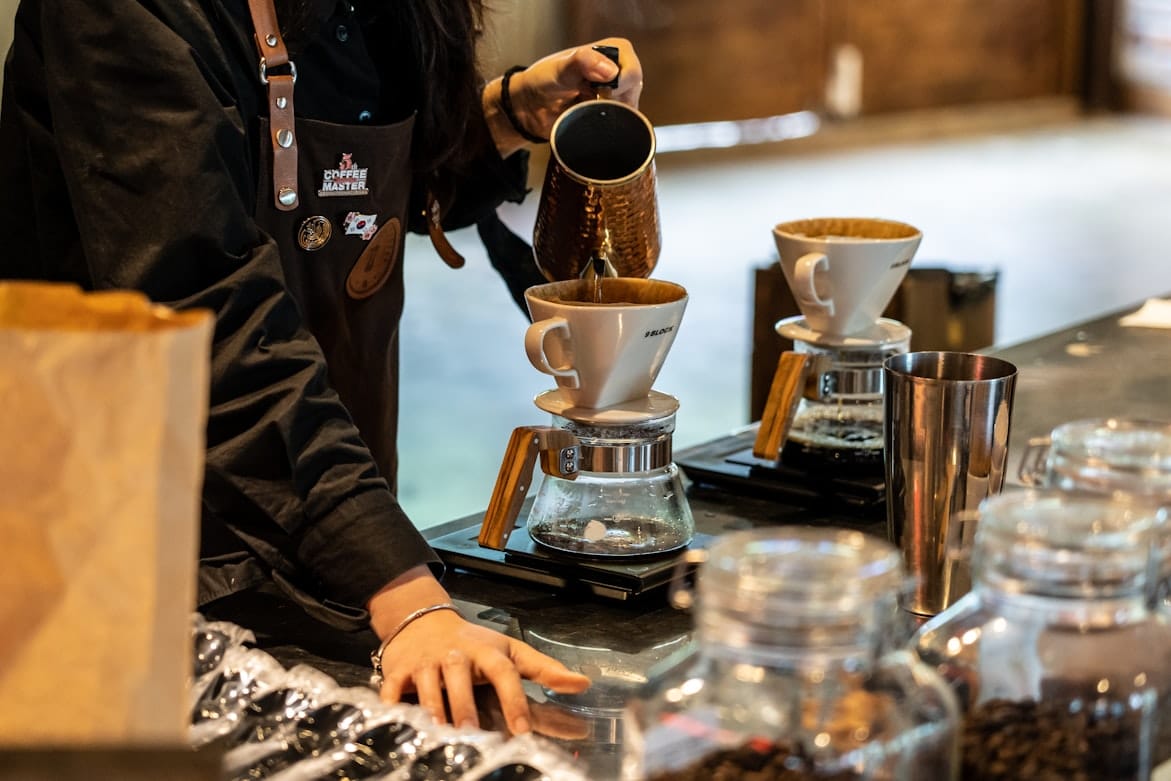
Preparing specialty coffee requires both skill and attention to detail. Professional baristas carefully adjust grind size, water temperature, brewing time, and extraction methods to highlight the natural characteristics of each coffee bean.
Popular brewing techniques include:
- Pour-over coffee
- Espresso
- French press
- AeroPress
- Cold brew
- Chemex
Each method produces a different flavor profile, allowing coffee lovers to explore a wide variety of aromas and tasting notes.
For many people, the brewing process has become just as enjoyable as drinking the coffee itself.
Cafés as Community Spaces
Modern coffee shops have evolved into more than places to grab a quick drink. They have become gathering spaces where people work remotely, hold meetings, read books, or simply spend time with friends.
Comfortable interiors, carefully designed spaces, and welcoming atmospheres encourage customers to slow down and enjoy the moment.
Many independent cafés also support local artists, musicians, and small businesses by hosting exhibitions, community events, and creative workshops.
This sense of connection has become one of the defining characteristics of today's coffee culture.
A Growing Appreciation for Sustainability
Consumers are becoming increasingly interested in where their coffee comes from and how it's produced. Many specialty coffee brands now prioritize direct trade relationships, environmentally responsible farming, and recyclable packaging.
Simple choices can also make coffee more sustainable:
- Carry a reusable coffee cup.
- Support independent local cafés.
- Choose ethically sourced beans.
- Reduce single-use packaging whenever possible.
These small decisions help create a more responsible coffee industry while supporting the communities that grow and produce coffee around the world.
Final Thoughts
Specialty coffee has transformed an everyday beverage into a global cultural experience built on quality, craftsmanship, and connection. Whether you're discovering a neighborhood café, experimenting with brewing methods at home, or learning about coffee's origins, every cup offers an opportunity to appreciate the people and stories behind it.
As coffee culture continues to evolve, one thing remains constant: the best coffee experiences are often about more than the drink itself—they're about slowing down, sharing conversations, and enjoying the simple moments that bring people together.

Member Discussion