


Healthcare is entering a new era. Rather than waiting for illness to appear, medical professionals are increasingly focusing on prevention, early detection, and healthier lifestyles. This shift is changing how people think about wellness, making proactive care one of the most important trends in modern medicine.
Preventive healthcare isn't just about annual checkups. It combines medical innovation, healthier daily habits, and personalized care to help people reduce long-term health risks. As technology continues to evolve, individuals have more tools than ever to better understand and manage their health before problems become serious.
A Shift From Treatment to Prevention
For decades, healthcare systems primarily focused on diagnosing and treating disease. While treatment remains essential, preventing illness before it develops often leads to better outcomes for both individuals and communities.
Regular screenings, vaccinations, balanced nutrition, physical activity, and mental well-being all contribute to reducing the risk of chronic conditions. These preventive measures not only improve quality of life but can also reduce long-term healthcare costs by minimizing the need for complex treatments.
Governments, healthcare providers, and employers are increasingly investing in wellness programs that encourage healthier lifestyles rather than reacting only after illness occurs.
Technology Is Changing Healthcare
Technology has become one of the driving forces behind preventive medicine. Smartwatches, fitness trackers, and mobile health applications allow people to monitor daily activity, sleep quality, heart rate, and other health indicators in real time.
Telehealth services have also made healthcare more accessible. Patients can consult medical professionals remotely, making routine care easier for people living in rural areas or those with busy schedules.
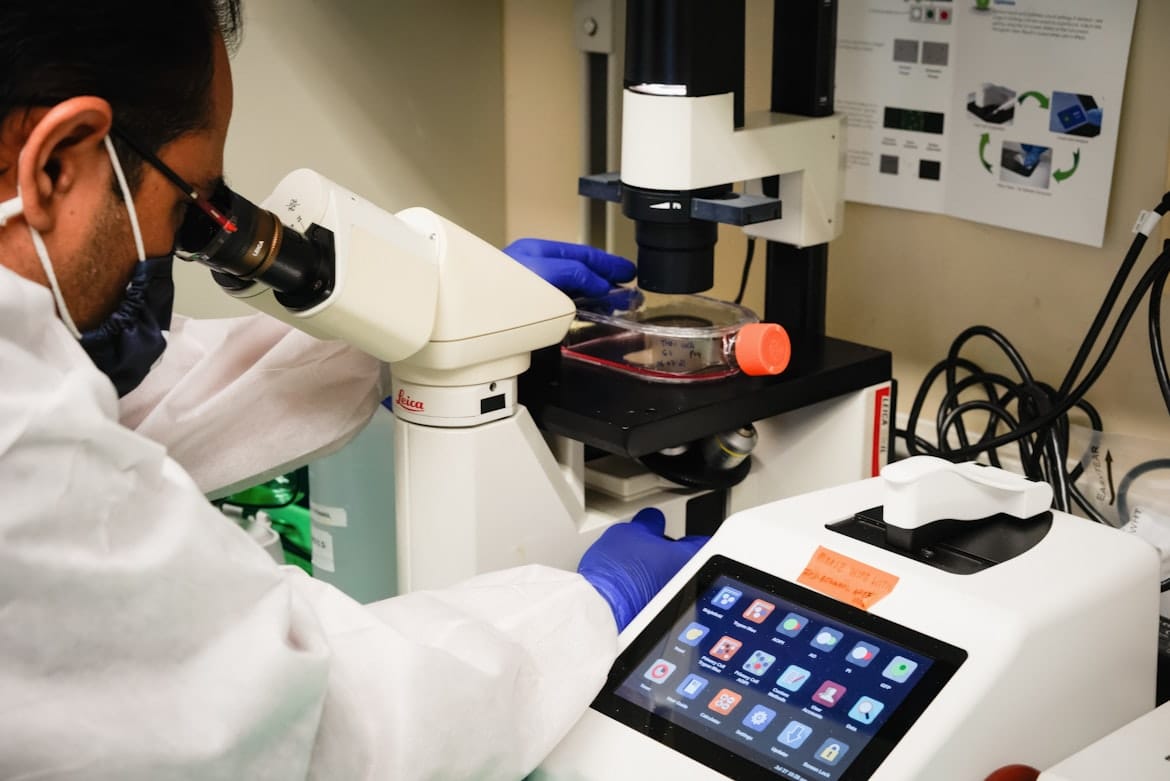
Artificial intelligence is beginning to support healthcare professionals by identifying health risks earlier, analyzing medical data more efficiently, and helping create personalized treatment plans based on individual needs.
Why Personal Responsibility Matters
Medical advances are valuable, but daily habits still have the greatest influence on long-term health. Eating nutritious meals, staying active, getting enough sleep, managing stress, and avoiding tobacco remain some of the most effective ways to improve overall well-being.
Small improvements often lead to lasting results. Taking a daily walk, preparing healthier meals, or scheduling regular health checkups are simple actions that support better health over time.
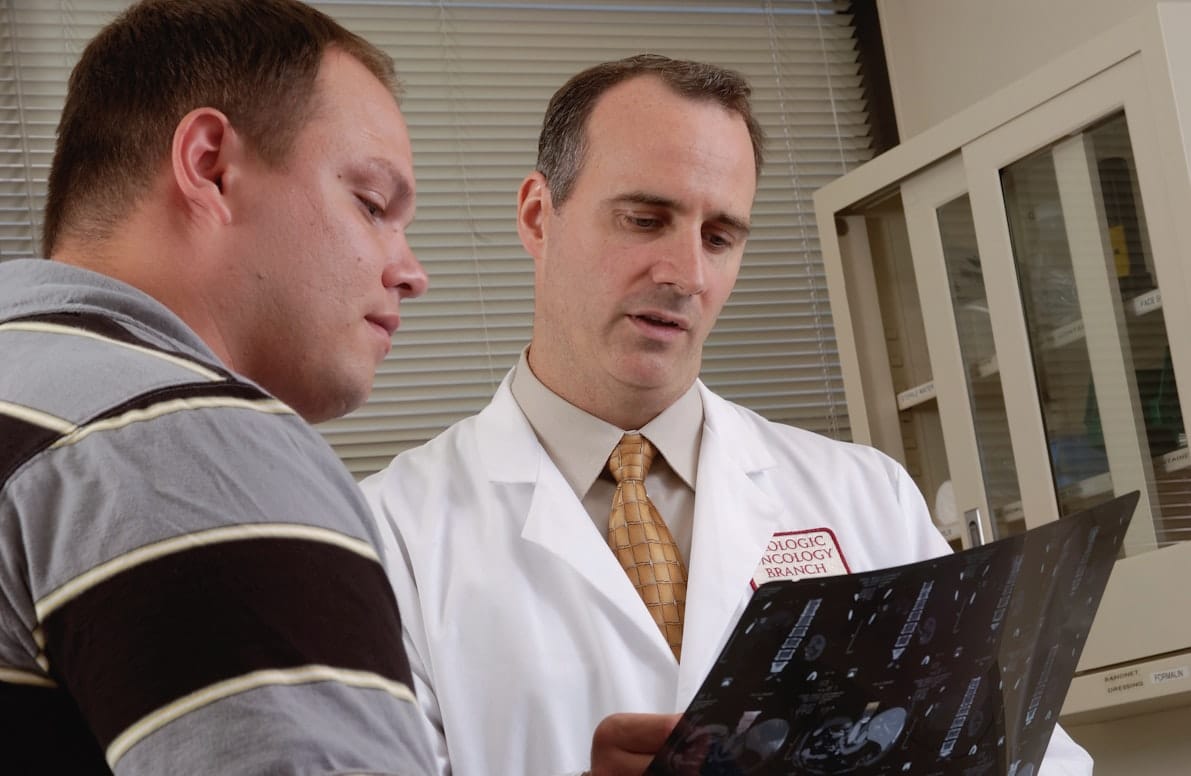
Preventive healthcare works best when healthcare professionals and individuals work together. While doctors provide guidance and expertise, long-term success depends on the choices people make every day.
Looking Ahead
The future of healthcare will likely become even more personalized. Advances in digital health, wearable technology, genetic research, and data-driven medicine are helping create healthcare experiences tailored to each individual rather than relying on one-size-fits-all recommendations.
As these innovations continue to develop, prevention will become an even greater priority, helping people stay healthier for longer while improving access to care across communities.
Final Thoughts
Preventive healthcare represents one of the most significant changes in modern medicine. By combining early detection, healthy lifestyle choices, and innovative technology, individuals have greater opportunities to protect their well-being before illness develops.
The future of healthcare isn't simply about treating disease—it's about helping people live healthier, longer, and more fulfilling lives through informed choices and proactive care.

Member Discussion